Computational Tools for Climate Science
A two-week, immersive course every July.
Using real-world and modeled data, explore the social and environmental effects of climate change. Learn through a live, synchronous program designed for focused, hands-on learning.

Get Ready to Launch into Your Climatematch Journey
We follow the motto “From Data to Action”, aiming to grow and empower the global community of climate scientists. Join our innovative online program to learn cutting-edge techniques from climate science experts, implement them in guided Python tutorials, and collaborate on team research projects using real-world and modeled data to explore the social and environmental effects of climate change.
- Synchronous, virtual course run in July 2026
- Full-time effort of 8 hours per day, 5 days per week
- Code taught through Google Colab or Kaggle using Python
- Work in a pod of ~15 students and a dedicated Teaching Assistant
- Complete a collaborative research project with the support of a Project Teaching Assistant
- See more about our unique course format, timing, and cost on our Courses page
What You'll Learn
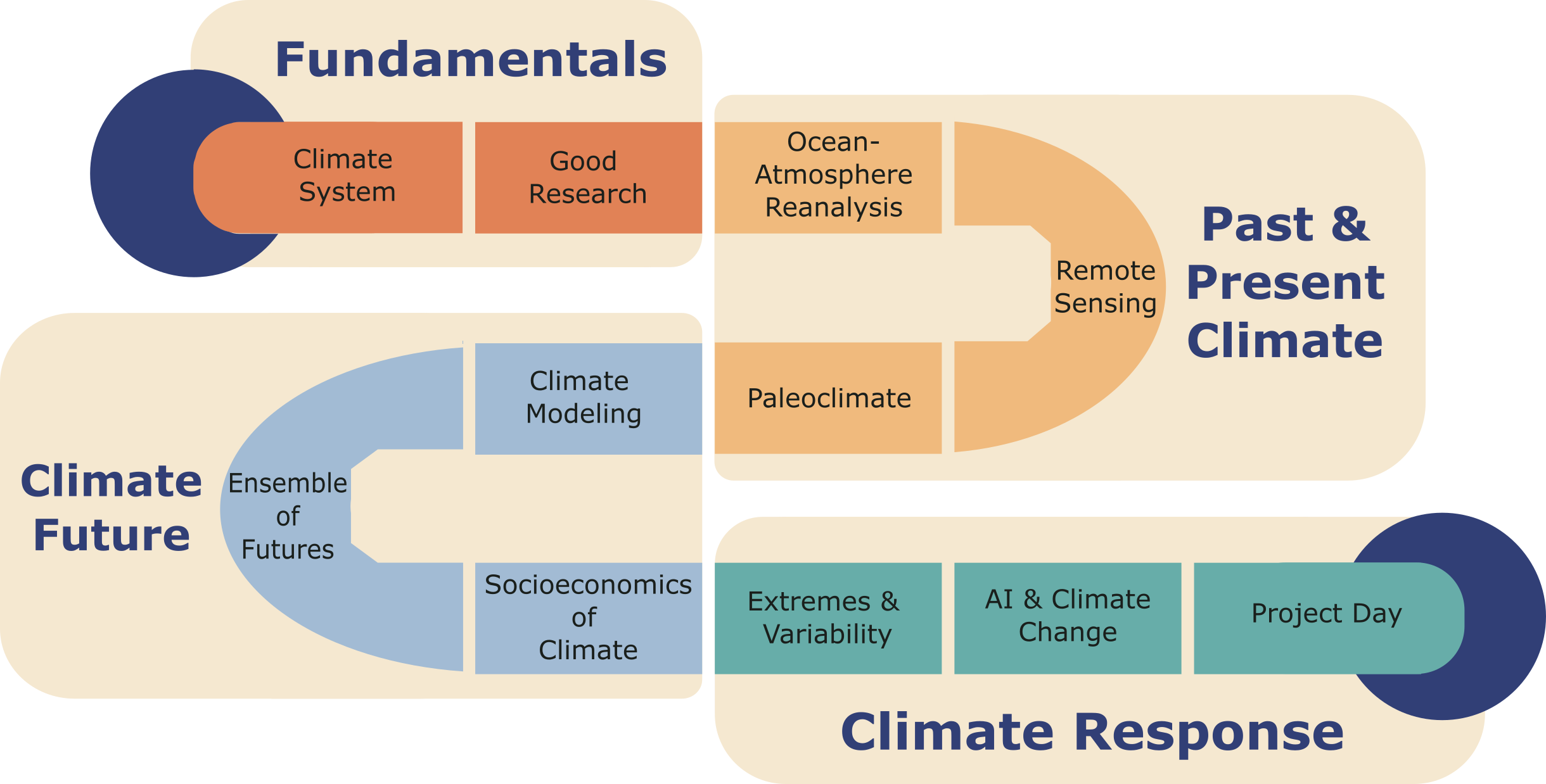
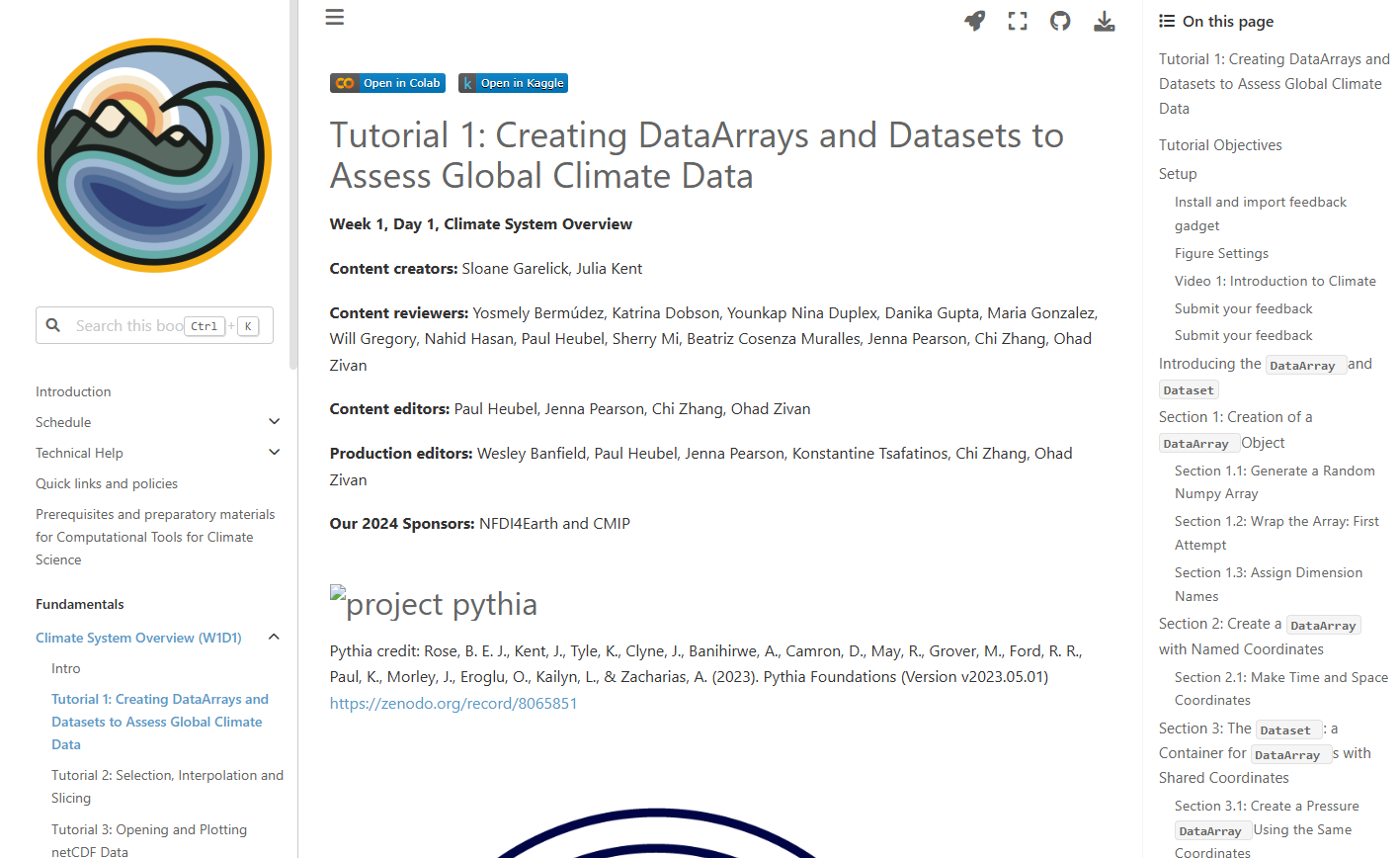
- Overview of the climate system and Xarray.
- Climate data: Students will use reanalysis products, remote sensing data, and paleoclimate proxy data to understand multi-scale climate interactions, climate monitoring, and variations in past marine, terrestrial, and atmospheric climates.
- Future of the climate system: Students will learn about climate models, how to interpret their projections of future climate, and explore the socio-economic pathways that shape climate risks.
- Responses to climate change: Extreme climate events (e.g. precipitation patterns, heatwaves), and the application of AI techniques to develop predictive models that enhance our understanding of and ability to anticipate the effects of climate change.
Climatematch Alumni
Our Alumni network represents students and TAs from over 100+ countries.
2026 will be the last time Neuromatch runs the Computational Tools for Climate Science course.
To stay up to date on what's next for Climatematch, please follow Climatematch on LinkedIn.
Still have questions?
Please email us at nma@neuromatch.io