Computational Neuroscience
A three-week, immersive course every July.
Build practical skills at the intersection of neuroscience and machine learning through a live, synchronous program designed for focused, hands-on learning.
Get Ready to Launch into Your Neuroscience Journey
Don’t miss your chance to explore the intersection of neuroscience and machine learning. Our computational neuroscience course is the perfect way to gain practical experience and build a strong foundation in this field. Join us and become part of a growing community of scientists and researchers exploring the frontiers of computational neuroscience.
- Synchronous, virtual course runs every July
- Full-time effort of 8 hours per day, 5 days per week
- Code taught through Google Colab or Kaggle using Python
- Work in a pod of ~15 students and a dedicated Teaching Assistant
- Complete a collaborative research project with the support of a Project Teaching Assistant
- See more about our unique course format, timing, and cost on our Courses page
What You'll Learn
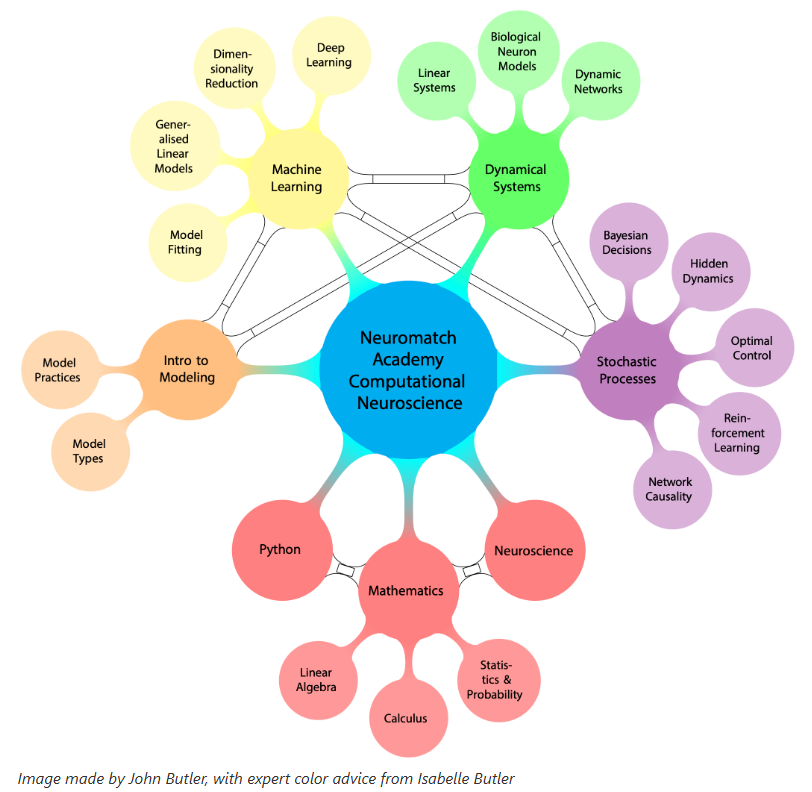
- Learn cutting-edge advances in machine learning and causality research with state-of-the-art modeling approaches in neuroscience.
- Introduction to modeling, types of questions we can ask with given model types and creating your own models.
- Machine learning module: fitting models to data, using generalized linear models, uncovering underlying lower dimensional structures, and building complex models using deep learning
- Dynamical system module: building biologically plausible models based on bottom-up knowledge of the system being modeled, covering topics like linear systems and dynamic networks
- Stochastic processes module: methods for getting better insight through measurement tools, hidden dynamics, optimal control, and reinforcement learning
- Causality module: understanding when something is causally related vs. just correlated
Join us as a Neuromatch student
Immersive Commitment
Full-time, focused learning.
Dedicate 8 hours per day, 5 days a week, and stay engaged with your pod to get the most from the course. No more than two absences to receive a certificate. See our Course Attendance Policy.
Collaborative Learning
Learn together, succeed together.
Work closely in small groups of ~15 students with teaching assistants, sharing ideas and contributing to team projects. Video cameras on and engage in classroom discussion!
Real Research
Hands-on projects with guidance.
Contribute to meaningful research under the support of teaching assistants and mentors, with a final presentation to showcase your work.
Recognized Achievement
Certificates and badges.
Receive a certificate for completing the course, and earn a special badge if you complete the collaborative project portion.
Computational Neuroscience Alumni
Prerequisites
What you should know before you apply to the Computational Neuroscience course. Find resources to upskill in any of this topics in the Course Book.
- Python
- Students should be familiar with variables, lists, dicts, the numpy and scipy libraries as well as plotting in matplotlib.
- Math
- Students should know linear algebra, probability, basic statistics, and calculus (derivatives and ODEs).
- Neuroscience
- Students should be familiar with foundational neuroscience concepts.
Hear from students about how the Academy can unlock your potential in computational neuroscience.
“It was an amazing experience to be part of such an accessible and inspiring platform alongside young PIs and postdocs from around the world.”

“We got mentorship from experts in the field. It was a unique experience and I enjoyed the course so much.”
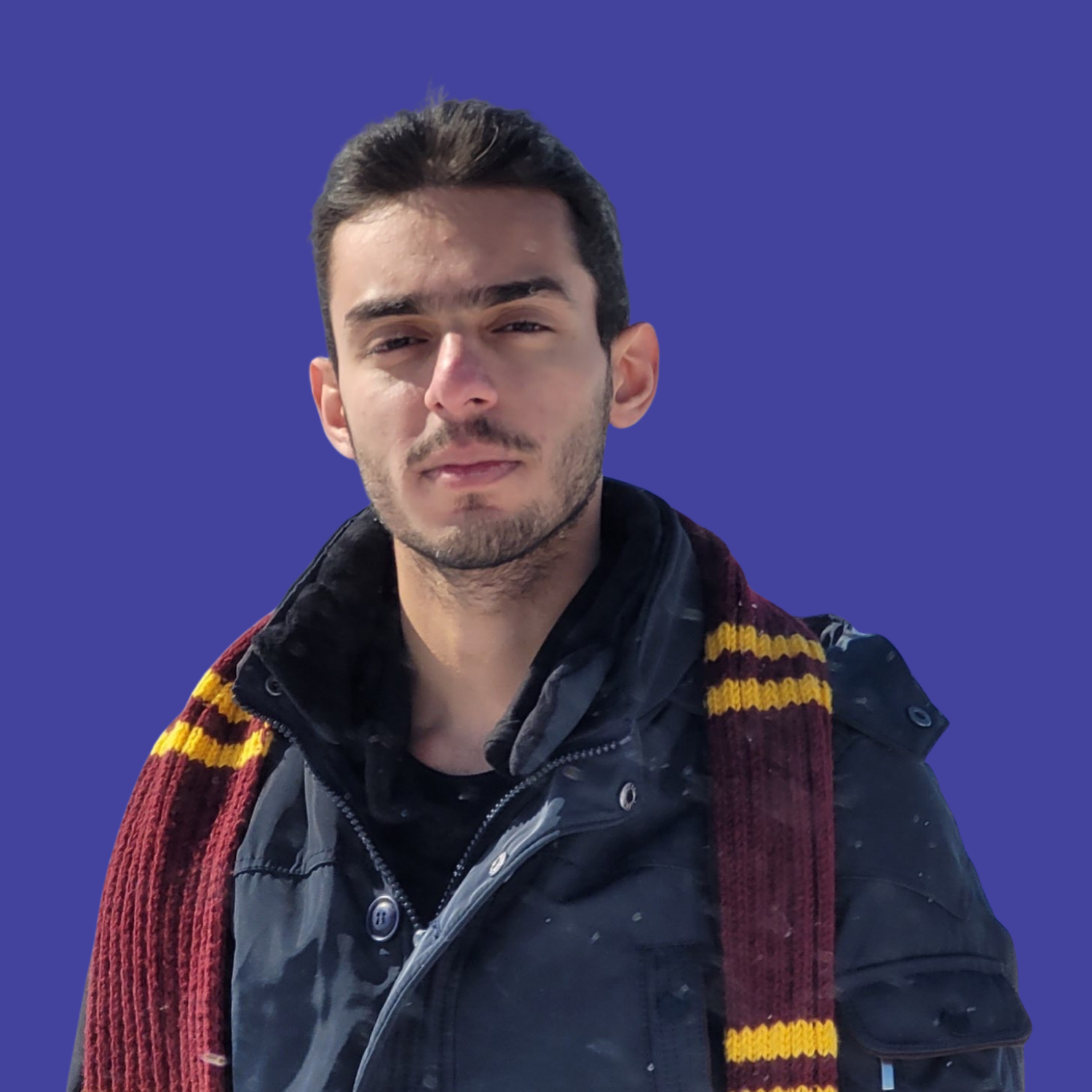
“The collaborative learning and guidance from mentors and TA has the potential to push you to fine-tune your skills.”
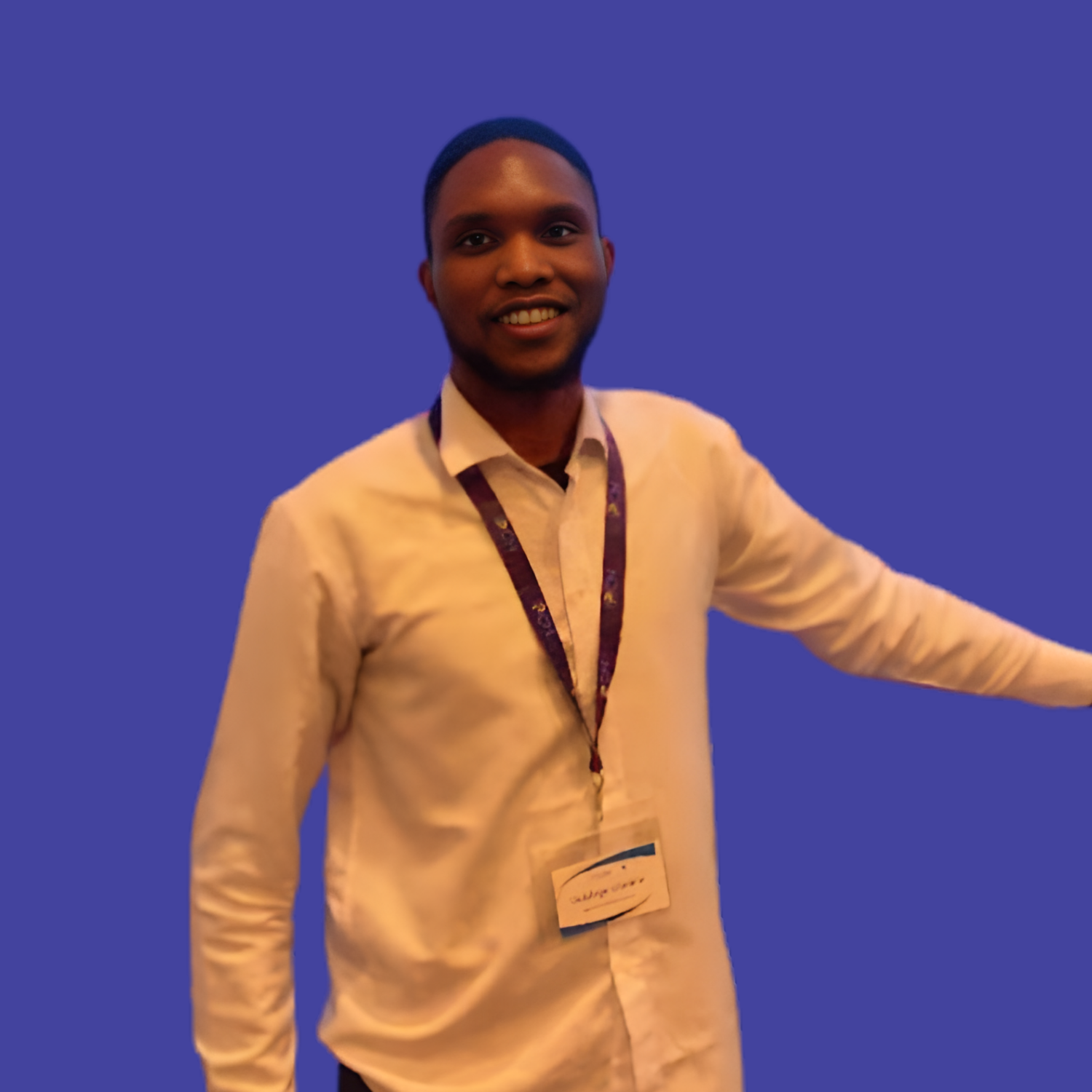
“I saw what open, rigorous, and collaborative science could look like. I saw people I wanted to become, and a path I hadn’t known was there, and I kept coming back.”

“There is more than classes; there are opportunities to do research and connect with people from around the world. As a student, you can learn new concepts, investigate new ideas, meet amazing people, and feel part of a community of aspiring and established scientists.”
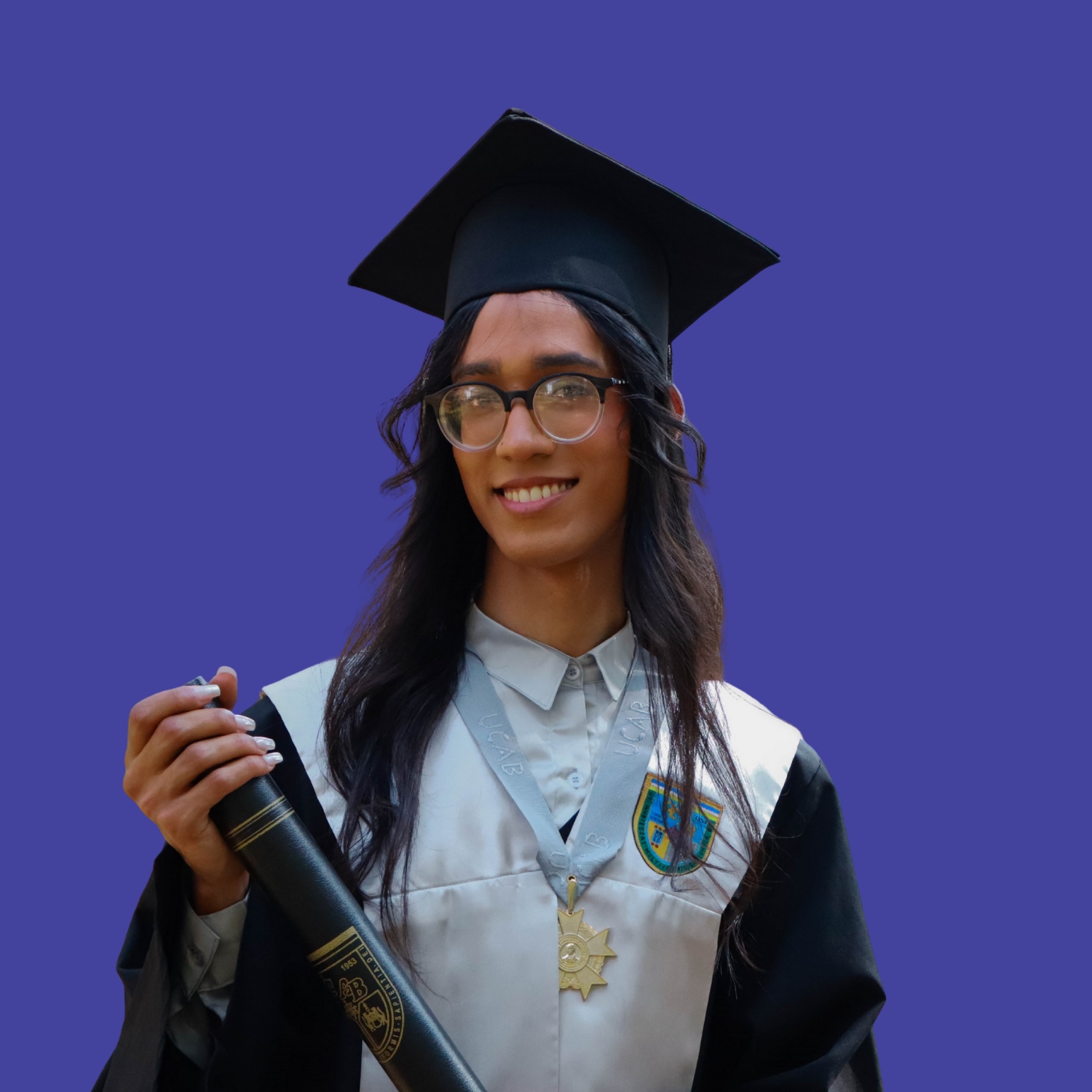
“The program gave me the chance to learn, get research experience, and collaborate with experts in the field. These programs can open doors, build confidence, and truly change your career path.”
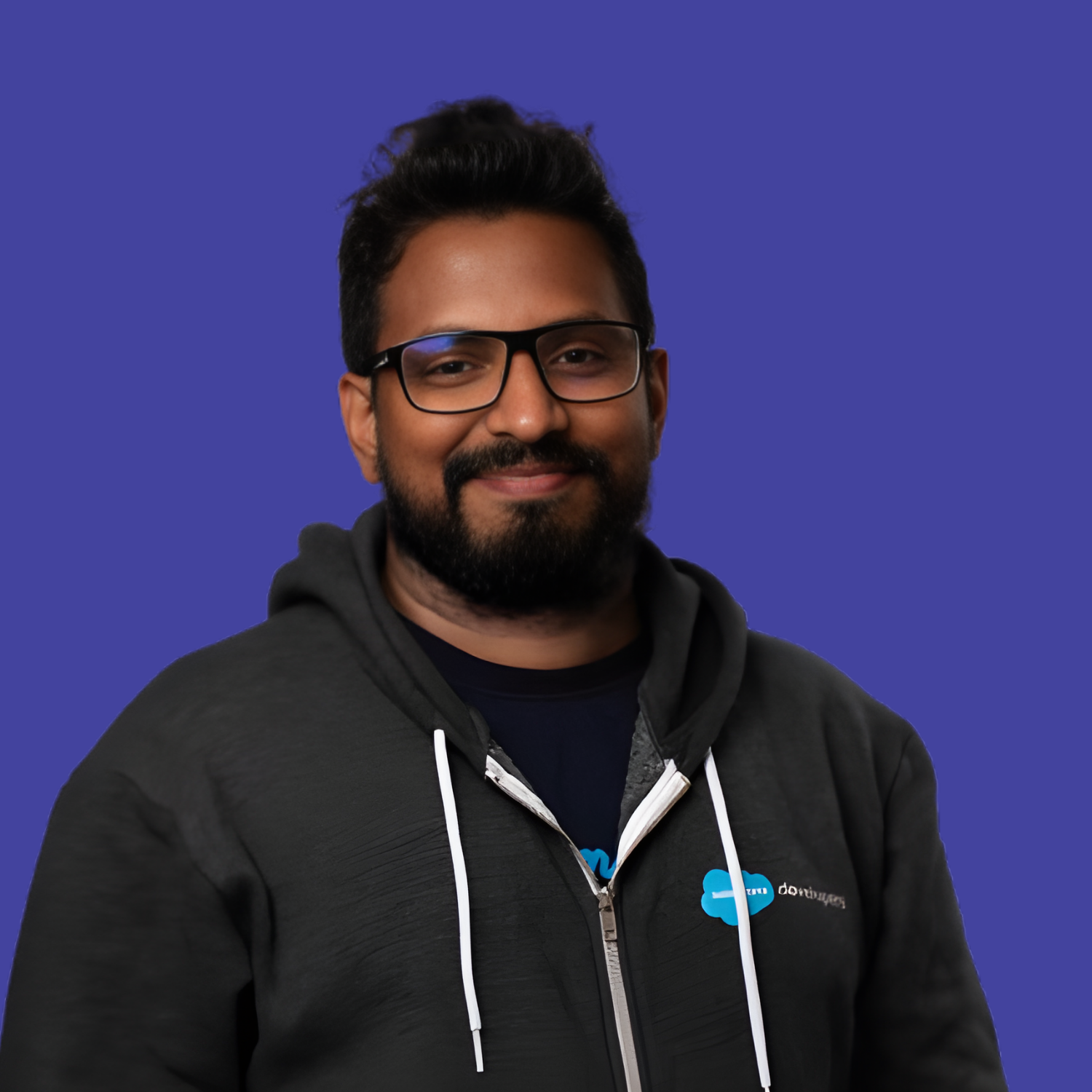
“You’ll start to build an intuition for key concepts in the field and gain some hands-on experience. No one becomes an expert in just three weeks. But this is a great start to an exciting journey!”
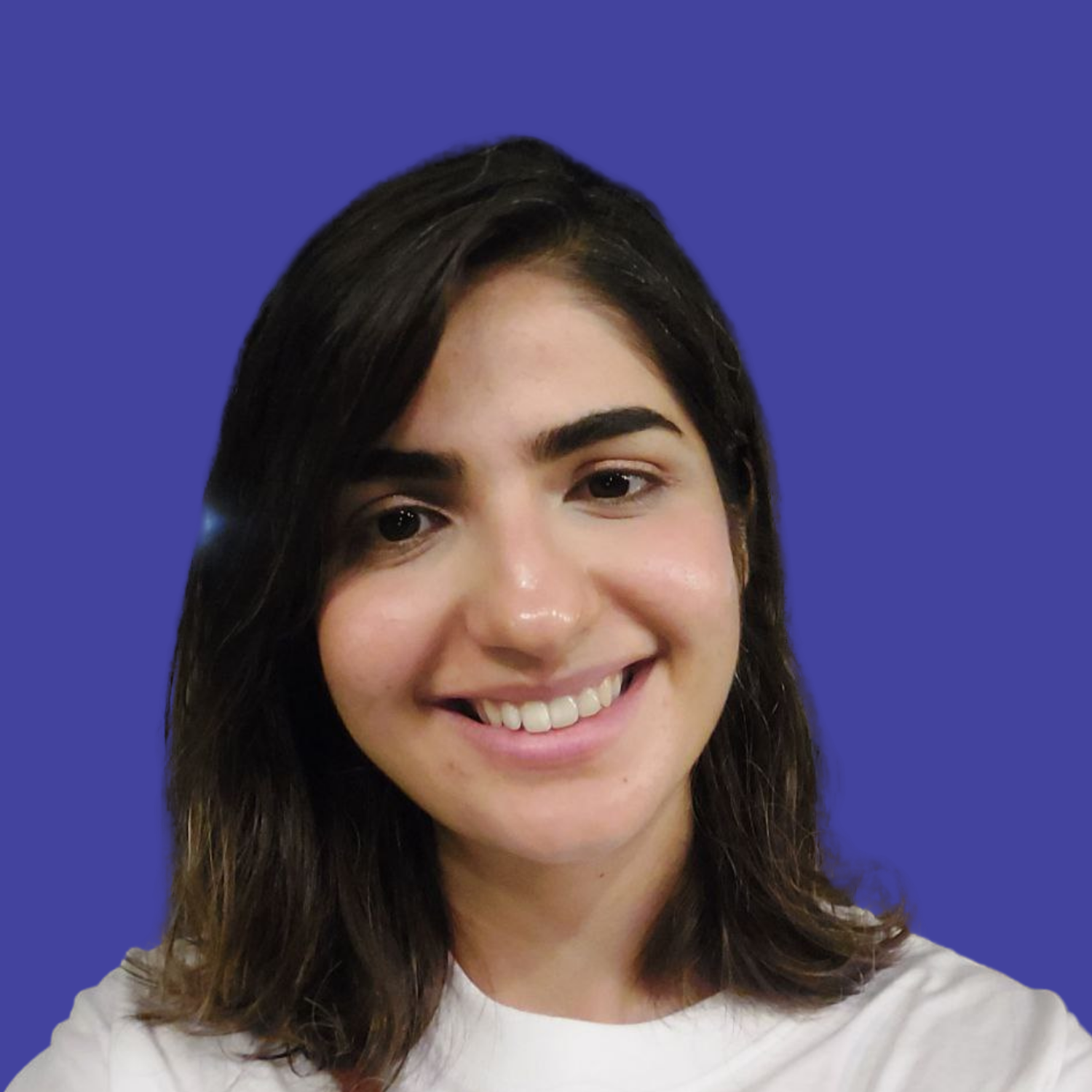
“With Neuromatch’s support and mentorship, I feel confident in computational neuroscience. The Academy and our Impact Scholars publication showed me that I can grow, keep learning, and do even better with time.”
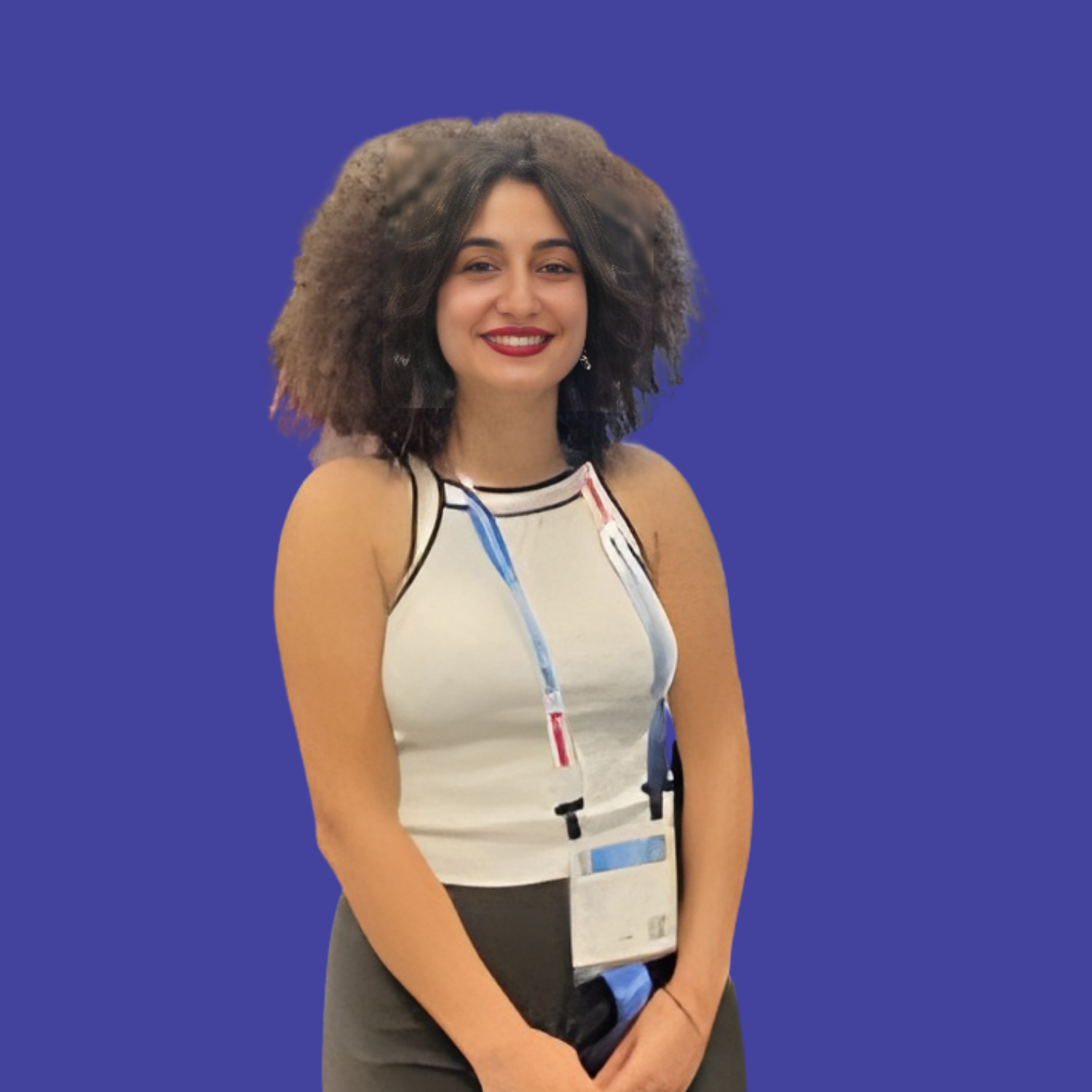
“I recommend the Computational Neuroscience track to two groups: People from Biological Sciences backgrounds who want to explore modern computational research. And people with computational backgrounds who want to apply their modeling and ML/AI skills to scientific problems. Neuromatch offers the best curated materials for learning how to bridge those fields. It’s the best place to start.”

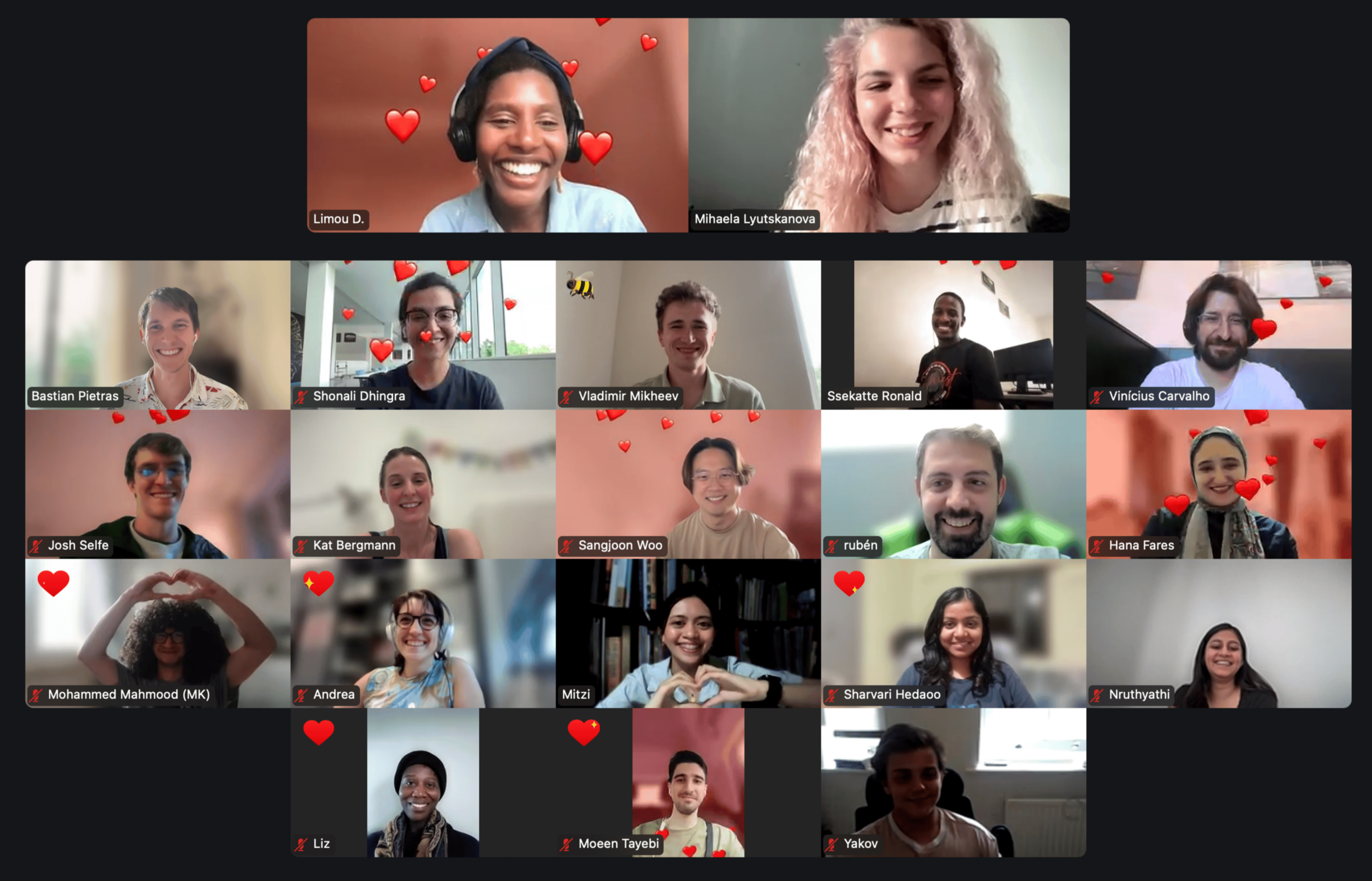
Learn Together, Achieve Together
Each pod brings a small group together with a dedicated Teaching Assistant.
Collaborate, code, and solve real research problems side by side—just like a mini research team.
Apply
Applications for our 2027 course open in February. Join our mailing list to be the first to hear details about our 2027 courses.
To check registration status and submit an application, visit our Portal, make a profile, and then apply for our course if it is available.
Join our mailing list
Be the first to hear when applications open for our 2027 courses.
Join a Information Session
Each January we host Information Sessions where you can ask your questions and learn exactly how to apply successfully.
Watch the January 2026 Session.
Ask an Ambassador
Our community of volunteer Neuromatch Ambassadors around the world can help answer your questions and share their experiences in multiple languages!
Still have questions?
Please email us at nma@neuromatch.io